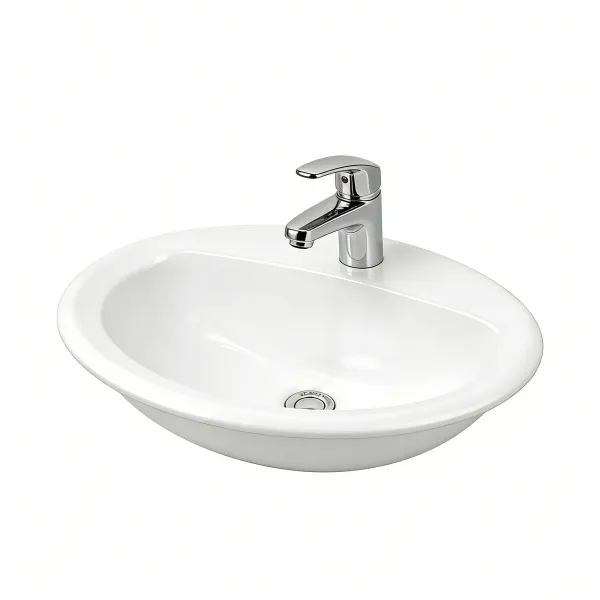
Selecting the right ceramic washbasin finish is crucial for ensuring durability, hygiene, and maintenance efficiency, especially in high-traffic settings such as hotels and public facilities. Guangdong Muchuan Sanitary Ware Co., Ltd. pioneers advanced nano-glazing technology that significantly outperforms traditional sanitary ware glazes across multiple performance metrics. This article dissects six critical attributes—water absorption, stain resistance, surface smoothness, anti-mold properties, corrosion resistance, and maintenance ease—empirically demonstrating how nano-glazed ceramic basins elevate operational efficiency and reduce upkeep costs.
Conventional ceramic glazes often suffer from higher porosity and microstructural imperfections that cause greater water absorption rates (typically around 0.5% to 1.5%). These properties lead to persistent stains, microbial growth, and gradual surface degradation, especially under frequent use and chemical cleaning. As a result, facility managers face increased maintenance efforts and replacement frequency, adversely impacting lifecycle costs.
Nano glazing utilizes advanced nanomaterials to create ultra-dense, smooth surface layers that minimize gaps and significantly reduce water permeability. According to independent testing by the International Ceramic Research Institute (ICRI), nano-glazed basins exhibit water absorption rates as low as 0.05%, a tenfold improvement compared to traditional glaze. This microstructural refinement imparts superior stain resistance, impedes mold formation, and delivers enhanced resistance to acidic and alkaline corrosion commonly encountered in commercial sanitation environments.
| Performance Parameter | Traditional Glaze | Nano Glaze |
|---|---|---|
| Water Absorption Rate | 0.5% - 1.5% | ~0.05% |
| Stain Resistance | Moderate; prone to discoloration | High; repels stains effectively |
| Surface Smoothness (Ra, µm) | 0.8 - 1.2 | ≤0.3 |
| Anti-Mold Performance | Limited, requires frequent cleaning | Excellent; inhibits mold growth |
| Corrosion Resistance | Susceptible to acids and bases | Robust under chemical exposure |
| Maintenance Frequency | Weekly intensive cleaning | Biweekly or monthly preventive care |
The enhanced properties of nano glazing make it the optimum choice for demanding environments. Hotels benefit from consistently pristine washbasins that require less labor-intensive cleaning, boosting guest satisfaction and lowering operational costs. Public high-traffic areas, like airports and commercial centers, experience reduced downtime for sanitation, while kitchens leverage the anti-corrosion feature to sustain hygiene standards amidst frequent cleaning with aggressive agents.
To maximize nano glaze lifespan, simple maintenance protocols suffice: use neutral pH detergents, avoid abrasive tools, and apply a microfiber cloth for routine wiping. Unlike traditional surfaces, nano-glazed basins resist buildup, reducing the need for harsh chemicals that accelerate surface wear. Periodic inspections aligned with manufacturer recommendations guarantee operational excellence, prolonging the investment's return.

Figure 1: Microstructure comparison highlighting nano glazed surface compactness and smoothness
By integrating nano glazing, Guangdong Muchuan Sanitary Ware offers an innovative path forward for stakeholders seeking a blend of hygiene, durability, and cost-effectiveness. This technology stands out as a strategic upgrade in sanitary ware procurement for industrial, hospitality, and public sector projects.

Figure 2: Nano-glazed ceramic basins installed in high-frequency usage environments like hotel and airport restrooms

 167
|
167
|
 ceramic sanitaryware quality checklist
EU REACH certification
ANSI ASHRAE standards
ISO 9001 quality management
high-quality ceramic procurement
ceramic sanitaryware quality checklist
EU REACH certification
ANSI ASHRAE standards
ISO 9001 quality management
high-quality ceramic procurement
 398
|
low-pressure shower solutions
pressure-boosting handheld shower
water-saving showerhead
five-mode showerhead comparison
360
|
ceramic basin edge thickness
luxury hotel bathroom design
ultra-thin ceramic washbasin
bathroom space optimization
high-end hospitality sanitaryware
398
|
low-pressure shower solutions
pressure-boosting handheld shower
water-saving showerhead
five-mode showerhead comparison
360
|
ceramic basin edge thickness
luxury hotel bathroom design
ultra-thin ceramic washbasin
bathroom space optimization
high-end hospitality sanitaryware
 239
|
Ultra - thin tank toilet
Water - saving toilet
Commercial restroom solution
Ceramic toilet design
Intelligent dual - flush system
272
|
1250°C high - temperature fired ceramics
hotel washbasin selection
ceramic water absorption rate
nano - glaze stain - resistance
commercial space bathroom design
239
|
Ultra - thin tank toilet
Water - saving toilet
Commercial restroom solution
Ceramic toilet design
Intelligent dual - flush system
272
|
1250°C high - temperature fired ceramics
hotel washbasin selection
ceramic water absorption rate
nano - glaze stain - resistance
commercial space bathroom design