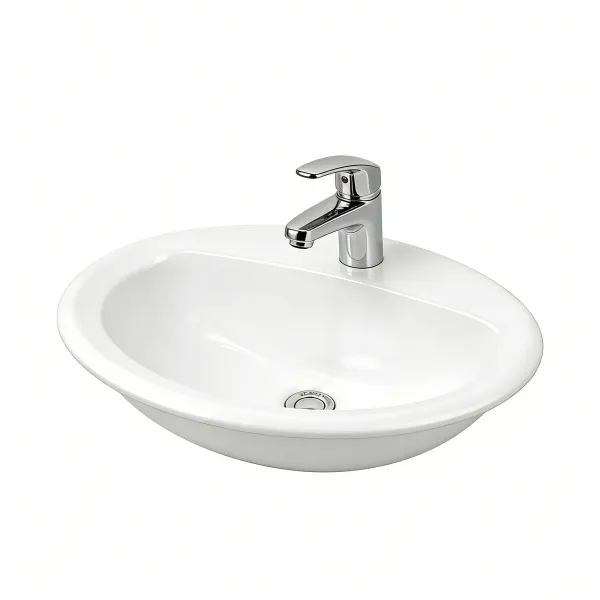
Nano Glaze Technology for Sanitary Ware: Anti-Stain, Anti-Mold Surfaces That Improve Cleaning Efficiency
2026/02/14
Guangdong Muchuan Sanitary Ware Co., Ltd.
Technical knowledge
Nano glaze technology is redefining easy-clean sanitary ware by engineering a denser, smoother ceramic surface that resists staining, mold growth, and chemical attack. Unlike conventional glazes that can develop micro-porosity and higher water absorption (>1%), nano-scale coatings and refined glaze microstructures aim for ultra-low absorption levels (<0.1%), reducing the pathways that trap moisture, soap scum, and organic residues. From a materials science perspective, the performance gain comes from two core mechanisms: a highly compact surface layer that limits penetration, and lower surface energy that weakens contaminant adhesion—often explained through a “lotus-effect” style water beading and roll-off behavior. These properties translate into measurable differences in gloss retention, stain attachment strength, and day-to-day cleaning time.
For B2B operators managing high-frequency spaces—such as hotel public restrooms, hospital washrooms, and commercial kitchens—nano-glazed basins and toilets can support more consistent hygiene with fewer aggressive chemicals and less labor, helping reduce maintenance cost over the product lifecycle. Practical care is straightforward: use soft cloths or non-abrasive pads, adopt a regular wipe-down schedule to prevent mineral buildup, and avoid harsh scouring tools that can reduce surface gloss over time. To explore more efficient sanitary ware solutions for high-traffic environments, visit the product page to learn more.
How Nano-Glaze Technology Improves Sanitaryware Cleaning Efficiency
In high-traffic restrooms, “clean” is not only a visual standard—it is an operational cost line. Nano-glaze (nano enamel) technology is increasingly specified in commercial basins, toilets, and urinals because it reduces stain adhesion, slows mold growth, and improves resistance to everyday acids and alkalis. The reason is not marketing language; it is surface physics and microstructure engineering.
The Real Pain Point of Traditional Glaze: “Looks Smooth” Isn’t Smooth Enough
Traditional ceramic glaze can appear glossy to the eye but still contain micro-pores and micro-cracks created during firing and cooling. Those tiny defects become anchoring points for organic residues (soap scum, skin oils), minerals (hard-water scale), and pigments (coffee, iodine-based disinfectants), especially under frequent wet-dry cycling.
Once deposits lock into the surface, cleaning teams typically escalate from neutral detergents to stronger chemicals and abrasives. That escalation can dull the surface over time, creating an even friendlier environment for future buildup—an expensive cycle for hotels, hospitals, airports, and schools.
What Makes a Nano-Glaze Different at the Material Level
1) A denser coating: fewer pathways for water and stains
Nano-glaze systems are engineered to form a more compact, highly vitrified surface layer. In practical terms, the top layer has fewer and smaller pores, reducing capillary absorption and the “mechanical interlock” that helps stains cling. This is one reason nano-glazed sanitaryware is often positioned as easier to clean and more hygienic in humid environments.
2) Lower surface energy: residues don’t want to spread
Many nano-glaze formulations aim to reduce surface energy. When surface energy is lower, water and oily residues are less likely to wet the surface fully. Instead of forming a thin film that dries into a stubborn layer, droplets tend to bead and roll, taking some contaminants with them. This mechanism is often explained with the “lotus leaf effect,” but in sanitaryware it translates into simpler wipe-down routines and fewer chemical interventions.
3) Better chemical durability in daily operations
Commercial restrooms commonly see weak acids (vinegar-based cleaners, bathroom descalers), mild alkalis, and disinfectants. A more stable, dense glaze can help resist etching and loss of gloss. Over time, preserving gloss is not just aesthetic—smoothness supports hygiene because it removes the micro-roughness that accelerates re-soiling.
Side-by-Side Performance Data (Reference Values for Spec Review)
Buyers often ask for numbers they can benchmark across suppliers. The table below provides commonly cited ranges observed in commercial ceramic evaluation and supplier technical documentation. Actual values vary by firing profile, glaze recipe, and quality control standard, so third-party testing is recommended for tender projects.
Metric (Typical Test Focus)
Traditional Glaze (Typical Range)
Nano-Glaze (Typical Range)
Why It Matters in Operations
Water absorption (ceramic body & surface)
1.0%–3.0%
<0.1%
Lower absorption reduces deep staining and odor retention risk.
Surface gloss (60° gloss units)
70–85 GU
85–95 GU
Higher gloss often correlates with lower micro-roughness and easier wipe-down.
Contact angle (water)
55°–75°
85°–105°
Higher contact angle supports beading and reduces film formation.
Stain adhesion (relative peel/wipe force)
Baseline 1.0×
0.5×–0.7×
Lower adhesion means fewer passes, less labor time, and less chemical usage.
Chemical resistance (mild acids/alkalis)
Moderate; gloss loss after repeated exposure
Higher stability; slower gloss degradation
Reduces long-term dulling that increases re-soiling frequency.
Where Nano-Glaze Creates the Biggest ROI: High-Frequency Use Zones
Hotels & public restrooms: faster turnaround, fewer complaints
In hospitality, cleaning speed competes with guest flow. Nano-glazed wash basins and toilets are typically chosen to reduce visible water marks, lipstick/soap residue, and ring formation. Over months of operation, teams often report that surfaces need fewer “deep clean” interventions—meaning fewer disruptive closures and more predictable labor planning.
Hospitals & clinics: hygiene perception plus chemical routine compatibility
Healthcare environments rely on frequent disinfection. A surface that maintains gloss and smoothness after repeated cleaning cycles helps reduce micro-roughness where biofilms can gain a foothold. Nano-glaze is not a substitute for infection control protocols, but it can support them by keeping surfaces easier to fully wipe and visually inspect.
Staff pantries & commercial wash areas: hard water and mixed residues
In kitchens and staff areas, residues are mixed: oils, detergents, food pigments, and hard-water minerals. Nano-glazed surfaces, due to lower wetting and tighter microstructure, can reduce the “layering” effect where one residue becomes the base for the next. The result is often fewer abrasive scrubs that would otherwise shorten product life.
Daily Maintenance Guide (Designed for Facilities Teams)
Recommended routine
Frequency: Light wipe-down daily for high-traffic areas; spot-clean after peak periods where water spotting is common.
Tools: Soft microfiber cloths or non-scratch sponges; soft-bristle brushes for edges and drain zones.
Cleaners: Neutral pH detergents for routine cleaning; use mild descalers only when mineral deposits appear (follow contact time guidance).
Rinse & dry: A quick rinse and dry reduces mineral spotting, especially in hard-water regions.
What to avoid (to protect the glaze long-term)
Avoid steel wool, abrasive powders, and aggressive scouring pads that can create micro-scratches.
Avoid prolonged exposure to strong acids/alkalis; do not mix chemicals (e.g., bleach with acidic cleaners).
Do not rely on “stronger and longer” as a strategy—short, consistent routines typically keep nano-glazed surfaces at their best.
For procurement teams, these care rules are not minor details—they influence lifecycle performance. A smooth glaze that stays smooth is a measurable advantage: fewer stains, fewer repeat passes, and fewer surface-damaging interventions.
A Simple Mental Model: From “Scrub to Remove” to “Wipe to Maintain”
Traditional glaze in heavy-use environments often forces a scrub-based workflow because residues embed and harden. Nano-glaze shifts the workflow toward maintenance: less wetting, less anchoring, and less buildup. That difference is especially valuable for facility managers who need predictable cleaning time per restroom and consistent appearance across multiple sites.
Want Lower Maintenance Sanitaryware for High-Traffic Projects?
Explore nano-glazed sanitaryware solutions engineered for easier cleaning, reduced staining, and long-term surface durability—ideal for hotels, hospitals, and public facilities where every cleaning minute counts.
94|Bathroom vanity international certification CE certification process FSC certification significance Export compliance Bathroom product certification