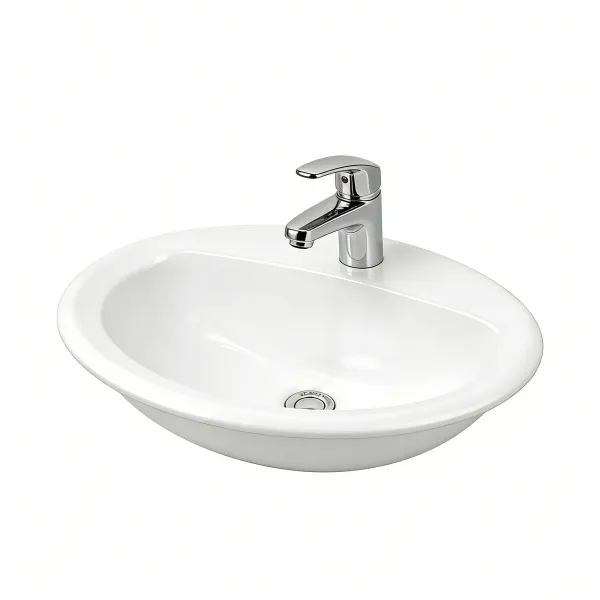
The EU REACH (Registration, Evaluation, Authorization and Restriction of Chemicals) certification aims to eliminate the entry of toxic metals into ceramic products at the source. In the context of sanitary ceramics, this is of utmost importance as these products are in direct contact with users on a daily basis. By setting strict regulations, REACH ensures that the raw materials used in sanitary ceramics are safe and compliant with high - quality standards.
REACH sets specific limit values for heavy metals such as lead, cadmium, and mercury in ceramic materials. For example, the limit for lead in ceramic glazes is typically set at a very low level, often less than 0.05%. Cadmium limits are also strictly regulated, usually below 0.01%. These limits are determined based on extensive research on the potential health risks associated with these heavy metals.
The detection methods for these heavy metals are well - established. Advanced analytical techniques such as Inductively Coupled Plasma Mass Spectrometry (ICP - MS) are commonly used. This method can accurately measure the content of heavy metals in ceramic samples, ensuring that the products meet the REACH standards.
According to industry experts, "The strict heavy metal limits in REACH are a necessary measure to protect public health. Even trace amounts of these heavy metals can have long - term negative effects on human health, especially for vulnerable groups such as children and the elderly."
Non - compliant sanitary ceramic products can pose significant health risks. Lead and cadmium, for example, can leach into water over time. When people use these products, they may be exposed to these toxic metals, which can lead to various health problems such as neurological damage, kidney problems, and developmental issues in children.
In addition to health risks, non - compliant products can also cause engineering problems. For instance, if the ceramic materials do not meet the standards, they may have poor durability. In a hotel setting, non - compliant ceramic tiles on the walls may start to show signs of mold growth due to poor water resistance. This not only affects the aesthetic appearance but also requires costly rework, which can damage the project's reputation.

The ANSI/ASHRAE standards focus on aspects such as drainage efficiency and odor prevention in sanitary products. These standards ensure that the products are not only safe in terms of material composition but also perform well in practical use. For example, a high - quality sanitary ceramic sink should have efficient drainage to prevent water from stagnating, which can lead to unpleasant odors and the growth of bacteria.
The ISO 9001 quality management system plays a crucial role in ensuring the consistency of sanitary ceramic products. From the moment the raw materials enter the factory to the final product leaving the production line, ISO 9001 provides a comprehensive framework for quality control. It ensures that every step of the production process is standardized, which helps to maintain the high - quality standards of the products.
High - temperature firing at 1250°C is a key process in the production of high - quality sanitary ceramics. This high - temperature process helps to densify the ceramic structure, making it more durable. It also reduces the porosity of the ceramic, which in turn improves its water resistance. During the high - temperature firing, the chemical bonds in the ceramic materials are strengthened, resulting in a more stable and long - lasting product.
Low water absorption is another important characteristic of high - quality sanitary ceramics. A water absorption rate of less than 0.1% ensures that the ceramic products are resistant to water damage. When the water absorption is low, the ceramic is less likely to absorb moisture, which can cause cracking, staining, and the growth of mold. This is especially important in areas with high humidity, such as bathrooms.
To help B2B buyers make more informed decisions, we have prepared a comprehensive Quality Acceptance Checklist. This checklist covers key parameters such as heavy metal content, water absorption rate, firing temperature, and compliance with relevant standards. It also includes testing methods and supplier evaluation points.
Download our B2B Sanitary Procurement Quality Acceptance Checklist to enhance your supplier screening ability and avoid potential pitfalls in the procurement process. With this checklist, you can build a reliable brand - cooperation foundation and ensure that you get high - quality sanitary ceramic products for your projects.

 115
|
115
|
 high-temperature ceramic basin
antibacterial ceramic sink
stain-resistant bathroom basin
E0 solid wood vanity
high-temperature ceramic basin
antibacterial ceramic sink
stain-resistant bathroom basin
E0 solid wood vanity
 398
|
low-pressure shower solutions
pressure-boosting handheld shower
water-saving showerhead
five-mode showerhead comparison
398
|
low-pressure shower solutions
pressure-boosting handheld shower
water-saving showerhead
five-mode showerhead comparison
 239
|
Ultra - thin tank toilet
Water - saving toilet
Commercial restroom solution
Ceramic toilet design
Intelligent dual - flush system
239
|
Ultra - thin tank toilet
Water - saving toilet
Commercial restroom solution
Ceramic toilet design
Intelligent dual - flush system
 209
|
Matte paint finish bathroom vanity
Environmentally - friendly solid wood material
High - temperature fired ceramic
Bathroom vanity durability
Waterproof and mildew - proof bathroom cabinet
209
|
Matte paint finish bathroom vanity
Environmentally - friendly solid wood material
High - temperature fired ceramic
Bathroom vanity durability
Waterproof and mildew - proof bathroom cabinet