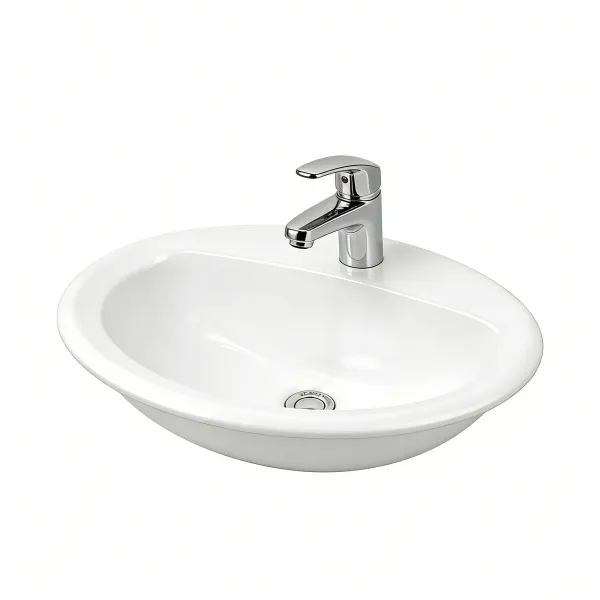
Selecting the right materials for bathroom vanities is paramount in achieving a balance between durability, health safety, and aesthetic appeal in modern interiors. As environmental consciousness rises alongside consumer demand for long-lasting and easy-to-maintain products, two materials have gained prominence: eco-friendly solid wood certified to E0 standards, and high-temperature fired ceramic. This article explores their distinctive properties, supported by authoritative certifications and real-world applications, to assist designers, homeowners, and distributors in making informed material choices.
Eco-friendly solid wood panels used in bathroom cabinetry typically comply with the stringent E0 formaldehyde emission standards, which limit formaldehyde release to below 0.5 mg/L. This benchmark ensures near-zero volatile organic compounds (VOC) emissions, significantly improving indoor air quality compared to conventional board materials. Healthy indoor environments are crucial in countries emphasizing wellness and sustainability, such as those adhering to strict European REACH regulations.
Beyond low emissions, these panels boast remarkable mechanical strength and moisture resistance when properly treated, contributing to durability in high-humidity bathroom environments. Advances in wood processing technology, including precision kiln drying and nano-scale water repellents, reduce fiber swelling and inhibit mold growth, extending the lifespan of bathroom vanities even under frequent water exposure.
High-temperature fired ceramic integrated basins have revolutionized bathroom functionality through their advanced material properties. Fired above 1200°C, ceramics achieve a fully vitrified surface with almost zero porosity, which translates to:
Recent designs incorporate matte-gloss hybrid finishes that marry elegance with tactile comfort, while maintaining the robust physical attributes of ceramic. This innovation enhances both aesthetic flexibility and everyday usability.
The protective lacquer finish on eco-solid wood bathroom cabinets further guards against moisture infiltration. A matte surface treatment reduces light glare and fingerprints, enhancing visual warmth and comfort in intimate spaces. Importantly, the lacquer’s microporous breathability balances moisture control without sacrificing the integrity of the wood fibers.
Complementing material quality, silent hydraulic hinges reduce cabinet noise and wear during frequent opening and closing. These hinges utilize fluid-filled dampers that absorb shocks and prevent abrupt movements, ensuring smooth, quiet operation. This feature systematically extends door longevity, a critical attribute for high-traffic residential or commercial bathrooms.
Material excellence in bathroom cabinetry is supported by leading global certifications that validate safety, sustainability, and quality. Key benchmarks include:
| Certification | Scope | Relevance |
|---|---|---|
| CE Marking | Compliance with European health, safety, and environmental standards | Guarantees product safety and regulated formaldehyde limits |
| FSC Certification | Sustainable forest management practices | Ensures responsible sourcing for solid wood panels |
A comparative analysis from third-party labs reveals that E0-rated wood panels release between 70-85% less formaldehyde than typical MDF boards, while high-temperature ceramic surfaces exhibit 99.9% surface bacteria reduction under standardized antimicrobial testing (ISO 22196). This data underscores their combined role in promoting healthier bathroom environments.
To maximize the lifespan of eco-friendly bathroom vanities:
Routine adherence to these guidelines significantly curtails mold development and surface deterioration, supporting sustained performance even in busy or damp settings.

Leading design firms report increased client preference for bathroom vanities combining eco-certified solid wood with integrated high-temperature ceramic basins, citing:
Distributors note that products featuring these materials accompanied by clear environmental certifications generate 25-30% higher inquiry-to-order conversion rates in competitive B2B marketplaces. This trend aligns with global sustainability mandates and consumer demand for transparent product origins.


 84
|
84
|
 low water pressure shower solutions
pressure-boosting handheld showerheads
water-saving shower devices
handheld showerhead selection guide
low-pressure boost technology
325
|
low water pressure shower solutions
pressure-boosting handheld showers
water-saving shower devices
handheld shower performance review
bathroom fixture selection guide
low water pressure shower solutions
pressure-boosting handheld showerheads
water-saving shower devices
handheld showerhead selection guide
low-pressure boost technology
325
|
low water pressure shower solutions
pressure-boosting handheld showers
water-saving shower devices
handheld shower performance review
bathroom fixture selection guide
 82
|
nano glaze
sanitary ware cleaning
anti-soiling technology
maintenance cost reduction
high-traffic public restrooms
319
|
REACH certification for ceramics
heavy metal limits in ceramic materials
low water absorption ceramic
bathroom sink compliance
B2B ceramic procurement standards
82
|
nano glaze
sanitary ware cleaning
anti-soiling technology
maintenance cost reduction
high-traffic public restrooms
319
|
REACH certification for ceramics
heavy metal limits in ceramic materials
low water absorption ceramic
bathroom sink compliance
B2B ceramic procurement standards
 37
|
Bathroom cabinet international certifications
CE certification process
FSC certification significance
Export compliance
High - end bathroom products
37
|
Bathroom cabinet international certifications
CE certification process
FSC certification significance
Export compliance
High - end bathroom products